


News
Electrolytes and Performance: When They Help, When They Don’t
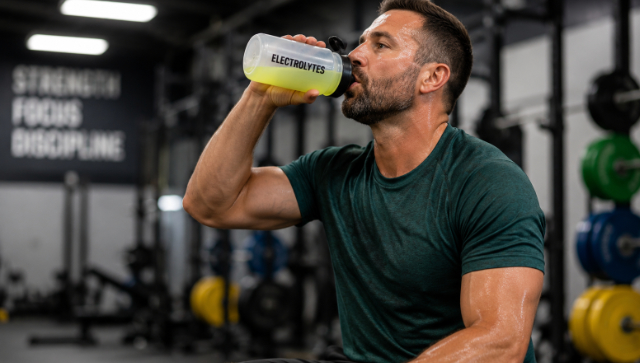
Electrolyte drinks and powders have become a routine part of exercise for many active adults. Runners, cyclists, and many other recreational athletes are frequently seen carrying brightly colored sports drinks or adding electrolyte packets to their water bottles. These products are often marketed as essential for hydration and performance, but the reality is a bit more nuanced.
Electrolytes can play an important role in physical performance under the right conditions. However, many people use electrolyte supplements when plain water would work just as well. Understanding when electrolytes are helpful and when they are probably unnecessary can help active individuals make better decisions about hydration and recovery.
What Are Electrolytes?
Electrolytes are minerals that carry an electrical charge when dissolved in fluid. The most important electrolytes for exercise include:
- Sodium
- Potassium
- Calcium
- Magnesium
- Chloride
These minerals help regulate several processes essential for movement and exercise, including muscle contraction, nerve signaling, fluid balance, and blood pressure regulation. Even small imbalances in electrolyte levels can affect how the body performs during physical activity. Among these minerals, sodium plays the largest role during exercise, especially in activities that involve heavy sweating.
How Electrolytes Affect Performance
During exercise, the body loses both fluid and electrolytes through sweat. Replacing fluid is essential to maintain blood volume and regulate body temperature, but replacing electrolytes can also be important when sweat losses are high.
In longer or more intense exercise sessions, electrolyte intake may help:
- Maintain hydration
- Support muscle function
- Reduce fatigue related to dehydration
- Improve exercise tolerance in hot conditions
Athletes who train for extended periods often notice that maintaining electrolyte intake helps them sustain effort and feel more stable during workouts. Electrolytes do not directly increase strength or endurance in the way some supplements do. Instead, they help maintain the internal environment the body needs to perform well.
When Electrolytes Are Most Helpful
Electrolyte supplements are most useful when fluid and mineral losses are significant. Situations where electrolyte intake may improve performance include:
- Long-duration exercise
- Hot and humid conditions
- People who sweat heavily
But despite the popularity of electrolyte products, many exercise sessions do not require them. For most people, plain water is adequate for:
- Workouts lasting less than an hour
- Moderate-intensity gym sessions
- Strength training workouts
- Walking or light cardio
- Exercise in cool environments
In these situations, electrolyte supplements usually provide little or no performance advantage. A balanced diet typically provides enough electrolytes to replace routine daily losses.
Choosing an Electrolyte Supplement
Electrolyte products vary widely in their composition. Some contain primarily sodium, while others include multiple minerals and carbohydrates. For most active adults, the most important ingredient is sodium, since it is lost in the greatest amounts during sweating. Typical electrolyte products may contain:
- 200–700 mg sodium per serving
- Smaller amounts of potassium
- Minimal magnesium or calcium
Products with very small amounts of sodium may not provide meaningful benefits during longer exercise sessions. Sugars or carbohydrates are sometimes included to provide energy during endurance exercise. These can be helpful during long workouts but are not necessary for shorter sessions.
Do You Need Electrolytes Every Day?
Some people take electrolyte supplements daily regardless of activity level. For most individuals, this is unnecessary. Electrolyte intake should generally reflect activity level and sweat losses. Using electrolyte supplements strategically, such as during long or hot workouts, is usually more appropriate than taking them routinely.
A normal diet containing fruits, vegetables, dairy products, and moderate salt intake typically provides adequate electrolytes for everyday health. Electrolytes can play a role in recovery, particularly after long or intense exercise sessions involving heavy sweating. Replacing sodium and fluid after exercise helps restore normal hydration levels and may reduce feelings of fatigue or lightheadedness.
In many cases, recovery meals and normal fluids provide adequate replacement. Electrolyte drinks may be most helpful when appetite is low or rapid rehydration is needed.
Practical Guidelines for Active Adults
For most active individuals, electrolyte use can be guided by a few simple principles:
Electrolytes are most useful when:
- Exercise lasts longer than about an hour
- Sweat losses are heavy
- Training occurs in hot weather
- Multiple workouts occur in one day
On the other hand, electrolytes are usually unnecessary when:
- Workouts are short
- Sweat losses are minimal
- Exercise intensity is moderate
- Normal meals and fluids are consumed
These guidelines can help prevent both underuse and overuse of electrolyte supplements.
Staying Active and Moving Forward
Electrolytes can be an important part of hydration and physical performance, particularly during longer workouts or exercise in hot conditions. They help maintain fluid balance, support muscle function, and allow the body to perform efficiently when sweat losses are high. At the same time, electrolyte supplements are not necessary for every workout, and many exercise sessions can be supported adequately with plain water and a balanced diet.
If you're dealing with lingering muscle soreness, joint discomfort, cramping, or fatigue that isn't improving with rest or changes in hydration, it may be worth taking a closer look. Ongoing symptoms can sometimes signal an underlying movement or training issue that benefits from individualized care.
Our physical therapy clinic works with active adults and athletes to identify the causes of persistent pain or performance limitations and develop practical treatment plans that support long-term recovery and activity. If aches or discomfort are interfering with your workouts or daily activities, consider scheduling an evaluation with one of our physical therapists to address the issue and get you moving smoothly once again.
References and Further Reading
August 18, 2026
Disclaimer:
The information in the articles, posts, and newsfeed is intended for informational and educational purposes only and in no way should be taken to be the provision or practice of physical therapy, medical, or professional healthcare advice or services. The information should not be considered complete or exhaustive and should not be used for diagnostic or treatment purposes without first consulting with your physical therapist, occupational therapist, physician or other healthcare provider. The owners of this website accept no responsibility for the misuse of information contained within this website.
